Getting Sick More Often, Recovering Slower
You used to power through cold season without a second thought. Now every bug finds you, hits harder, and takes longer to shake. Your immune system is losing the edge it once had, and it's affecting more than just sick days.
When your immune system loses its edge
There was a time when you rarely got sick, and when you did, you bounced back quickly. Now, every cold that goes around finds you. Respiratory infections linger longer than they should. And the general sense of immune confidence you used to have has been replaced by a quiet vulnerability.
This isn’t just bad luck or stress. It’s a measurable decline in immune function that happens naturally with age, and accelerates if left unmanaged.
What changes in your immune system
The thymus gland, the organ responsible for producing and training T-cells (your body’s primary adaptive immune defenders), begins to shrink after puberty and continues to atrophy throughout adulthood. By your 50s, thymic output may be a fraction of what it was in your 20s. This means fewer new immune cells, less effective immune surveillance, and a slower, less precise response to infections.
At the same time, chronic low-grade inflammation, sometimes called “inflammaging,” increases. This background inflammatory state doesn’t protect you from threats. It actually diverts immune resources away from where they’re needed, leaving you more vulnerable to acute infections while also contributing to fatigue, joint pain, and accelerated aging.
The result is an immune system that’s simultaneously overactive in the wrong ways and underperforming where it counts.
How we approach it
At Ageless Future, immune optimization starts with data. Your physician reviews your comprehensive biomarker panel, including inflammatory markers, white blood cell profiles, and metabolic health indicators, to understand exactly where your immune function is compromised. From there, a personalized protocol may be designed using peptides that support immune regulation, resilience, and the body’s natural defense systems.
This isn’t about boosting immunity in a vague, supplement-aisle sense. It’s about supporting precision and balance in an immune system that has drifted out of alignment. Under the guidance of a physician who monitors your response at every step.
How we address it
The following peptides may be part of a physician-designed protocol based on your biomarker data and health goals. No two protocols are the same.
Thymosin Alpha-1
Used to support immune system regulation, resilience, and the body's natural defense mechanisms
LL-37
An antimicrobial peptide used to support the body's first-line immune defense
KPV
An anti-inflammatory peptide used to support immune balance and systemic inflammation management
Key benefits
Related reading
Evidence-based articles from our physician team on the science behind this protocol.

What Is Thymosin Alpha‑1? The Immune‑Modulating Peptide Explained
What Is Thymosin Alpha‑1? The Immune‑Modulating Peptide Explained The immune system is one of the most important...

How TB-500 Affects the Immune System: Science, Mechanisms, and Longevity Insights
Discover how TB-500 (Thymosin Beta-4) influences immune function, inflammation, and recovery based on current research...
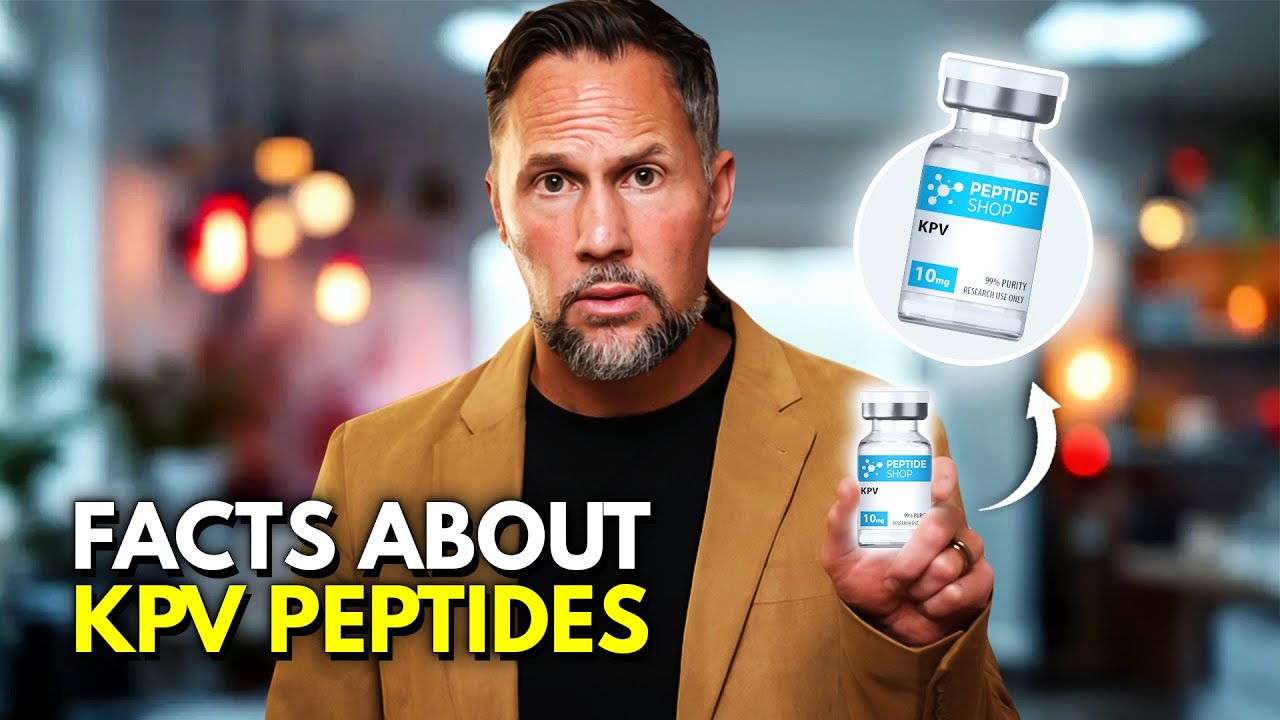
What Is KPV Peptide Used For? Benefits for Gut Health, Autoimmunity, and Skin Repair
Learn what KPV peptide is used for, including gut healing, immune regulation, and skin repair. Explore benefits,...